Discover the world behind your vegetables during Kom in de Kas (come into the greenhouse)
9 April 2026
Every spring, greenhouse farms across the Netherlands open their doors during Kom in de Kas (come into the greenhouse). A great opportunity to see for yourself how your favourite vegetables are grown. From tomatoes to cucumbers: at this event, you will discover the origins of products you eat every day.
Greenhouse vegetables
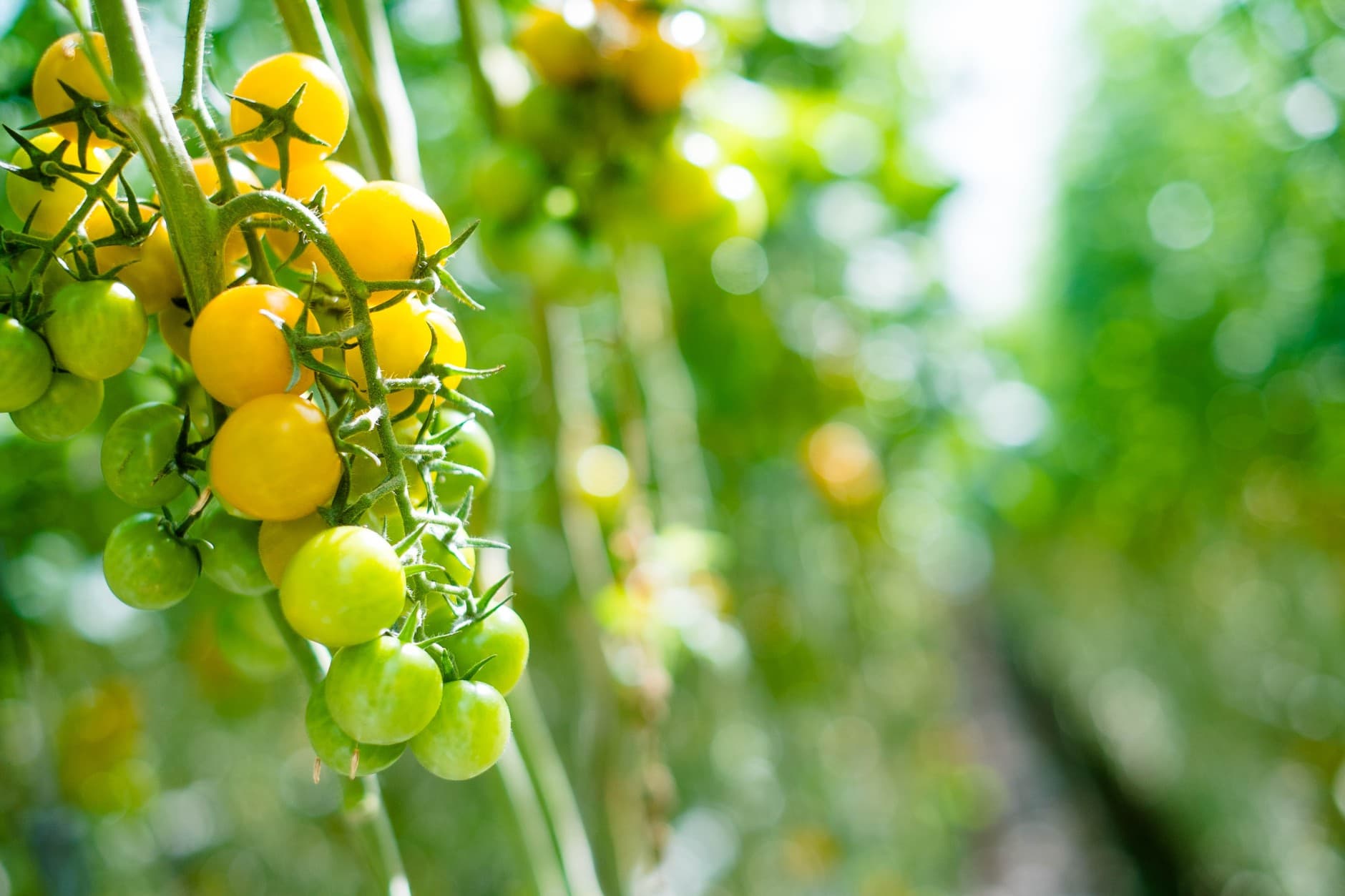
Many familiar vegetables grow in Dutch greenhouses. Think juicy tomatoes, crunchy cucumbers, colourful peppers and fresh lettuce. Aubergines, courgettes and radishes are also typical greenhouse products. During Kom in de Kas you will see these crops in different growth stages. From young plant to ripe product: it shows how much attention and craftsmanship is needed.
Innovation and sustainability in greenhouse horticulture
What immediately stands out in the greenhouse is how smart and sustainable the work is. Vegetables such as tomatoes and peppers often grow on substrate, where water and nutrients are administered precisely. Excess water is collected and reused, preventing waste.
In addition, growers are increasingly deploying natural enemies against pests. In crops such as cucumber and sweet pepper, this means that fewer chemicals are needed. Thus, the modern greenhouse contributes to more sustainable food production.
Fresh all year round
Thanks to innovative techniques such as LED lighting and advanced climate systems, vegetables can be grown all year round. Products such as vine tomatoes, cucumbers and peppers get just the right amount of light and heat to grow optimally. This means you can also enjoy fresh vegetables from Dutch soil in winter, something that would not be possible without the greenhouse.
Experience, taste and discover
Kom in de Kas is not only educational, but also fun for young and old. You can taste different types of tomatoes, see how a sweet pepper turns from green to red and experience how fast a cucumber plant grows.
For children, there are often interactive activities, allowing them to playfully learn where vegetables come from. That way, the distance between grower and consumer becomes a lot shorter.
Plan your day Kom in de kas via their website.