Citrus fruits explained: which ones are used for what?
23 July 2026
Citrus fruits are refreshing, versatile and an indispensable part of any kitchen. Whether you want to freshen up a salad, add extra flavour to a dessert or simply fancy a piece of fruit, there’s always a citrus fruit to suit. But when should you choose an orange, lemon, lime, grapefruit or mandarin? We’ve listed the main differences below.
Orange: delicious eaten whole or juiced
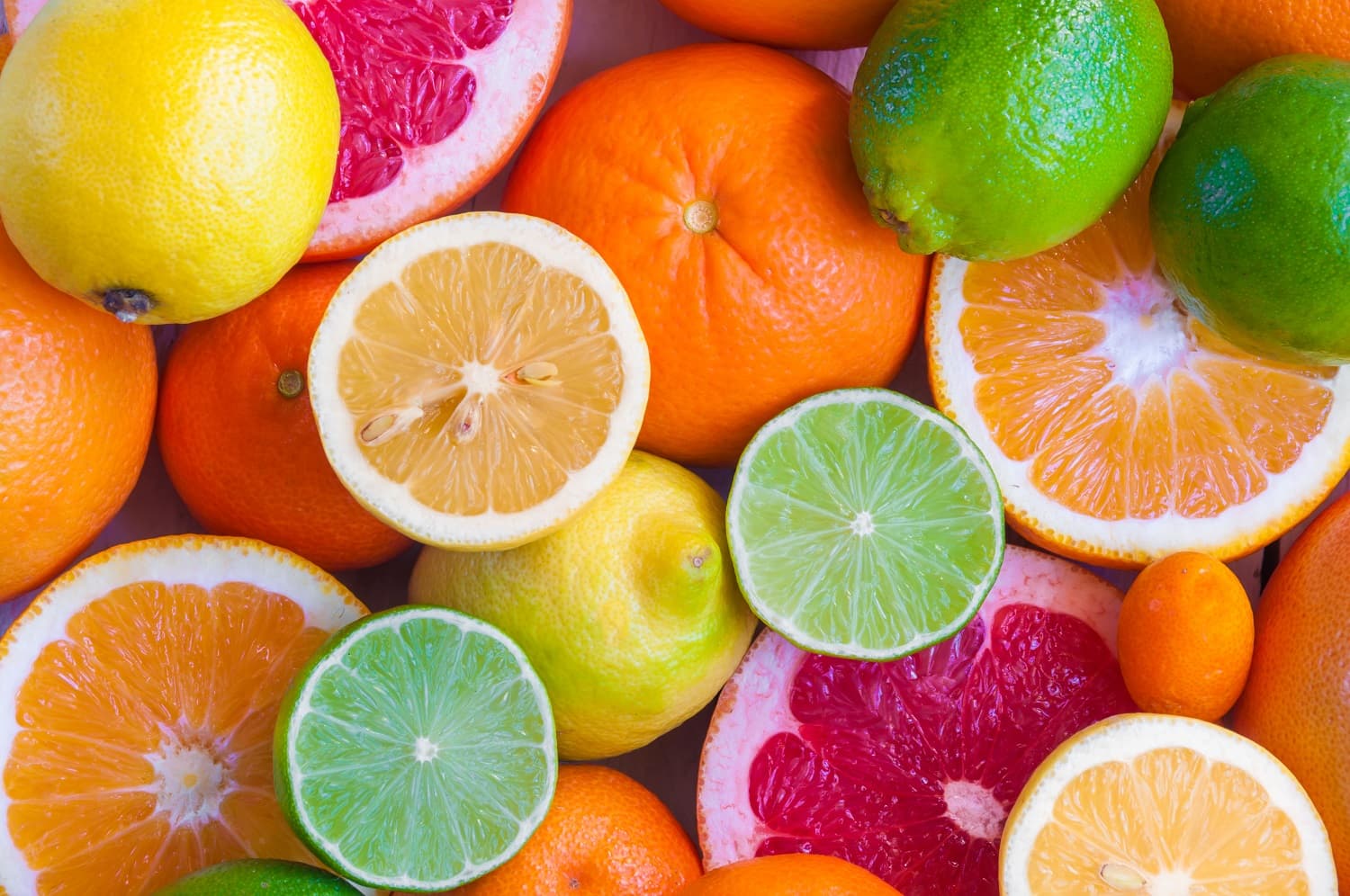
The orange is perhaps the best-known citrus fruit. There are various varieties, such as the common orange, the navel orange and the blood orange. Oranges for eating fresh are juicy and delicious on their own, whilst oranges for juicing have a more fibrous flesh and are therefore better suited to making juice.
The peel is also very useful. First scrub the fruit thoroughly clean and grate only the orange part of the peel. The finely grated peel adds flavour to biscuits and cakes, for example.

Lemon: for a fresh flavour
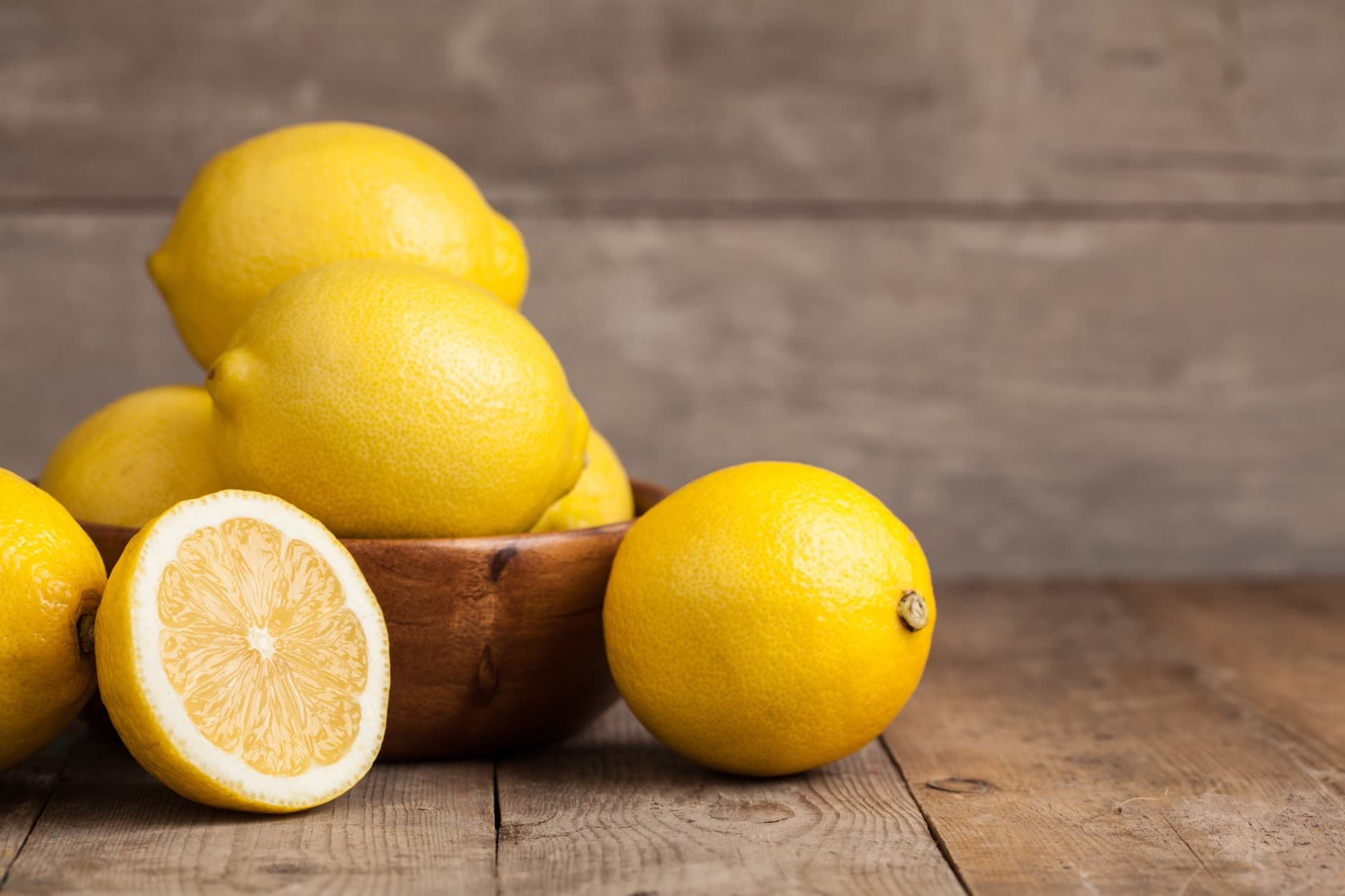
A lemon is too sour to eat straight from the hand, but that is precisely what makes it ideal for adding a fresh flavour to dishes and drinks. Lemon juice also helps prevent discolouration of foods such as apples. The aromatic zest is perfect for grating finely and adding to a wide variety of dishes. When grating, use only the yellow part of the zest, as the white part is bitter.
Lime: fragrant and juicy
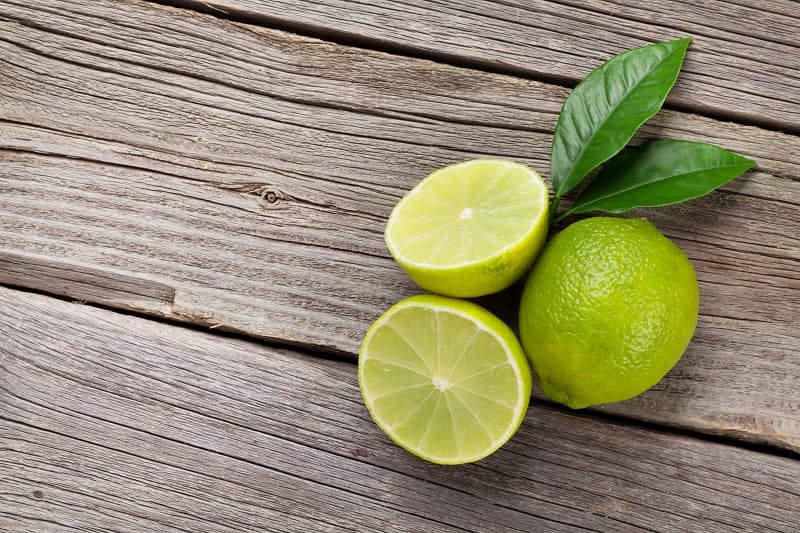
Limes resemble lemons, but are smaller and have a thin, green skin. The yellow-green flesh is more fragrant, more aromatic and juicier than that of a lemon. The flesh, juice and peel can all be used. The same rule applies here: only grate the green part of the peel to avoid a bitter taste.
Grapefruit: refreshing with a hint of bitterness
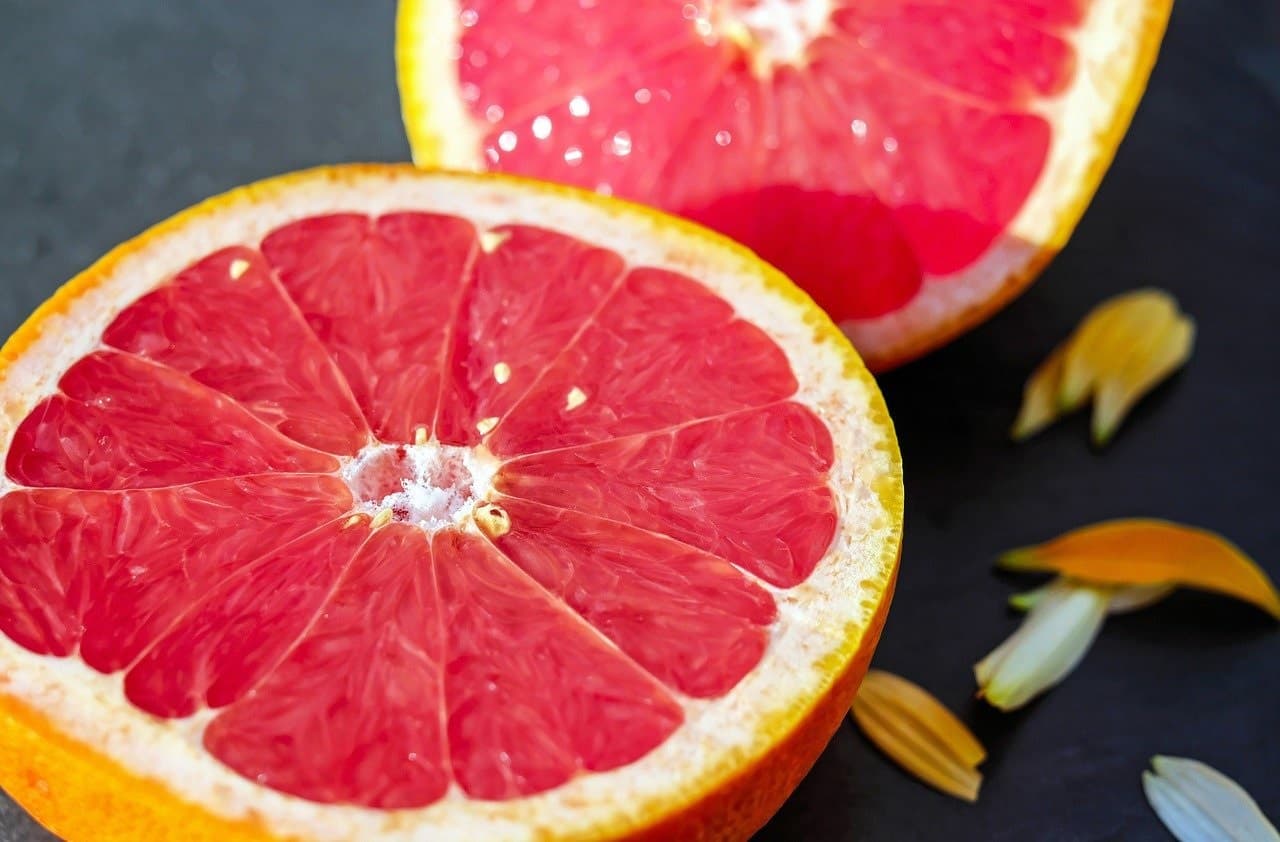
Grapefruits are among the largest citrus fruits. They have white, pale pink or dark pink flesh. The redder the flesh, the sweeter the flavour. The thick membranes mean the fruit is often cut in half, after which the flesh is eaten with a spoon. If you don’t mind the membranes, you can also eat the grapefruit in segments.
Are you taking any medication? If so, it’s worth noting that grapefruit (or grapefruit juice) can affect how certain medicines are broken down. You should therefore check whether this applies to your medication or seek advice from your pharmacist or GP.
Mandarin: easy to carry around
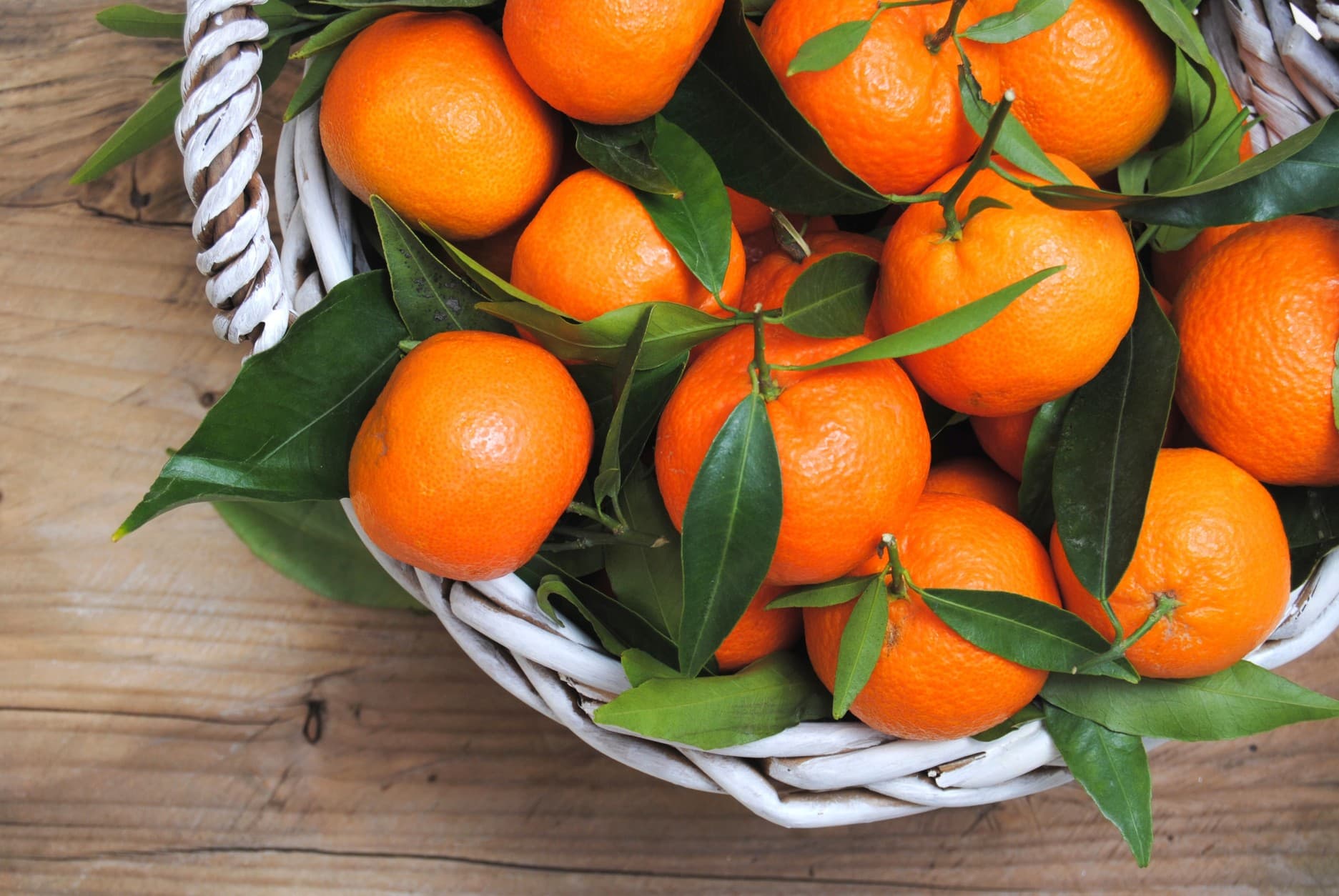
Mandarins look like small oranges and are easy to peel because the skin sits loosely around the fruit. This makes them ideal as a snack. The segments are also delicious in a salad or a fruit wrap. There are various types of mandarins, including the common mandarin, the Mediterranean mandarin, the satsuma and the king mandarin.