String beans, green beans, snow peas… what’s the difference, really?
20 August 2026
Green, elongated and deliciously crunchy: string beans, green beans and snow peas do look quite similar at first glance. Yet they are different vegetables, each with its own shape, flavour and method of preparation. And are they actually vegetables, or are they pulses? Time to compare them side by side.
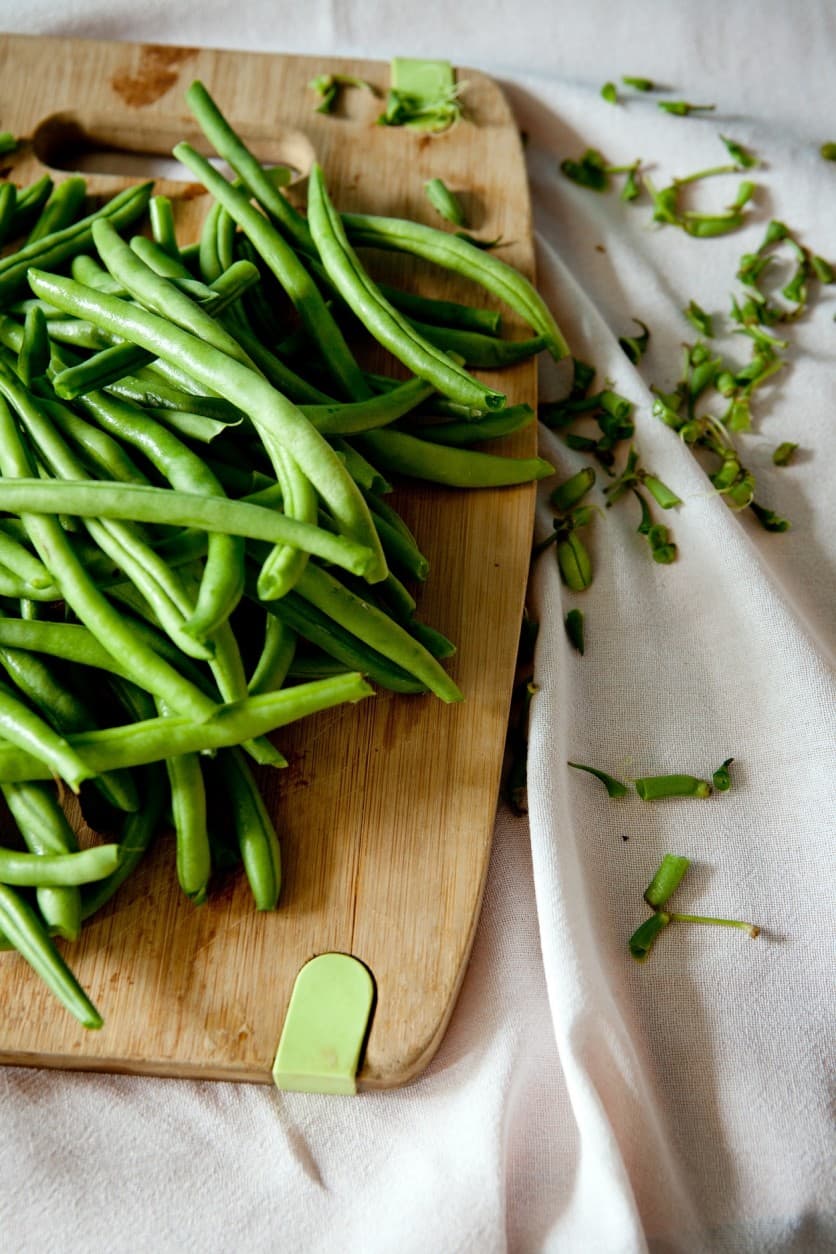
Green beans, string beans and snow peas belong, botanically speaking, to the legume family. The fruits of these plants are pods. Nevertheless, in our diet we classify these fresh green legumes as vegetables. This is because we eat them differently and because their nutritional value is more similar to that of vegetables than to that of dried legumes such as kidney beans, chickpeas and lentils.
Green beans: the well-known classic
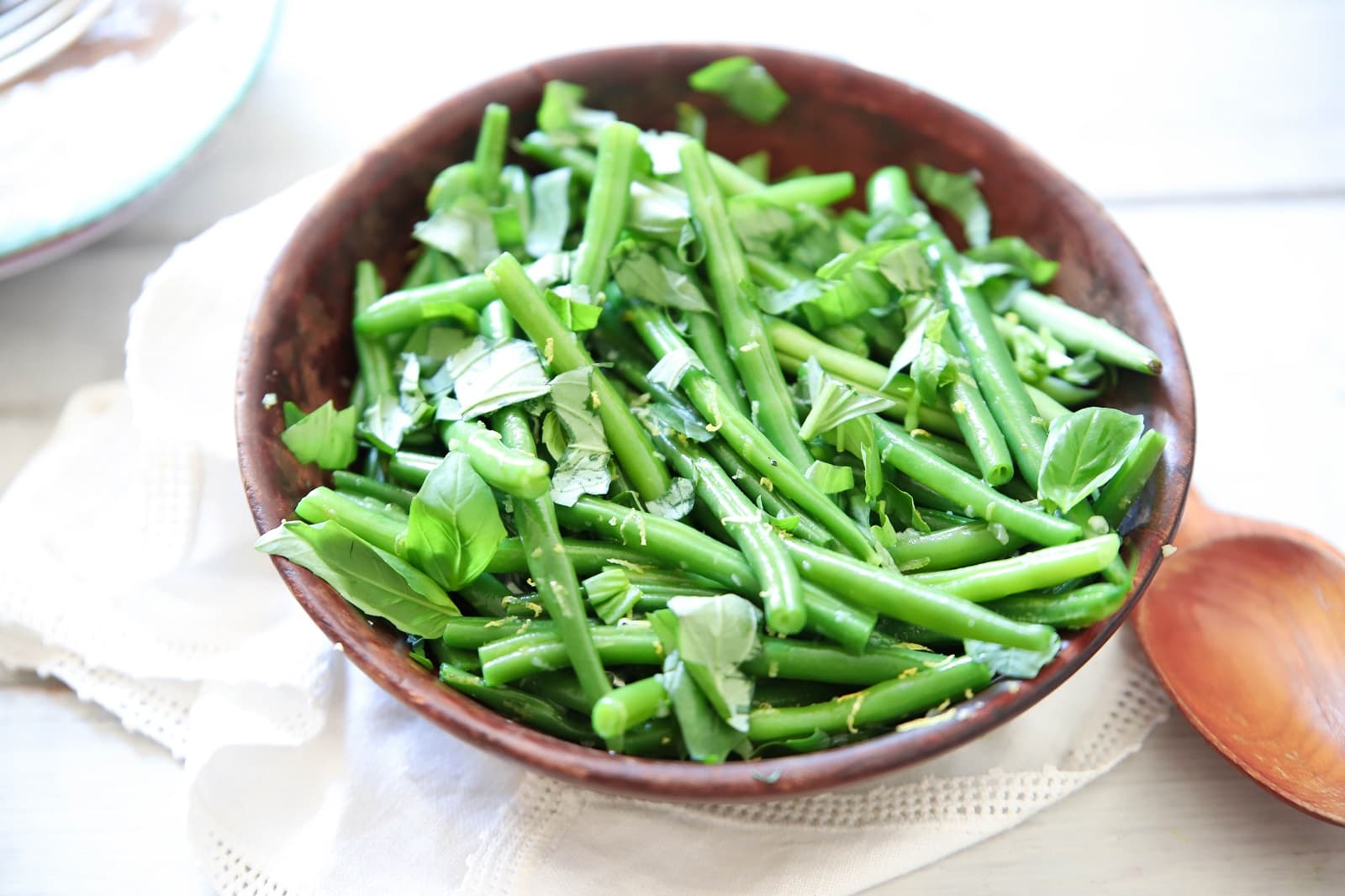
The green bean is probably the best known of the three. You may also know it as a salad bean or princess bean. The bean is elongated and firm and is usually a fresh green colour. Before cooking, wash the beans and trim off the ends. You can then boil, stir-fry, steam or braise them, for example.
Fancy getting straight into the kitchen? Try green beans Italian-style. The green beans are combined with garlic, basil and lemon. A simple dish in which the green bean takes centre stage.
String beans: broad and flat
You can recognise a stringless green bean straight away by its broad, flat shape. The pods can grow quite long. The stringless green bean is also related to the green bean, but the two are easy to tell apart by their appearance. The name itself gives away how we usually eat this bean: sliced. You can cut string beans into chunks, or into fine diagonal strips. You can then cook them, for example, by boiling or stir-frying.
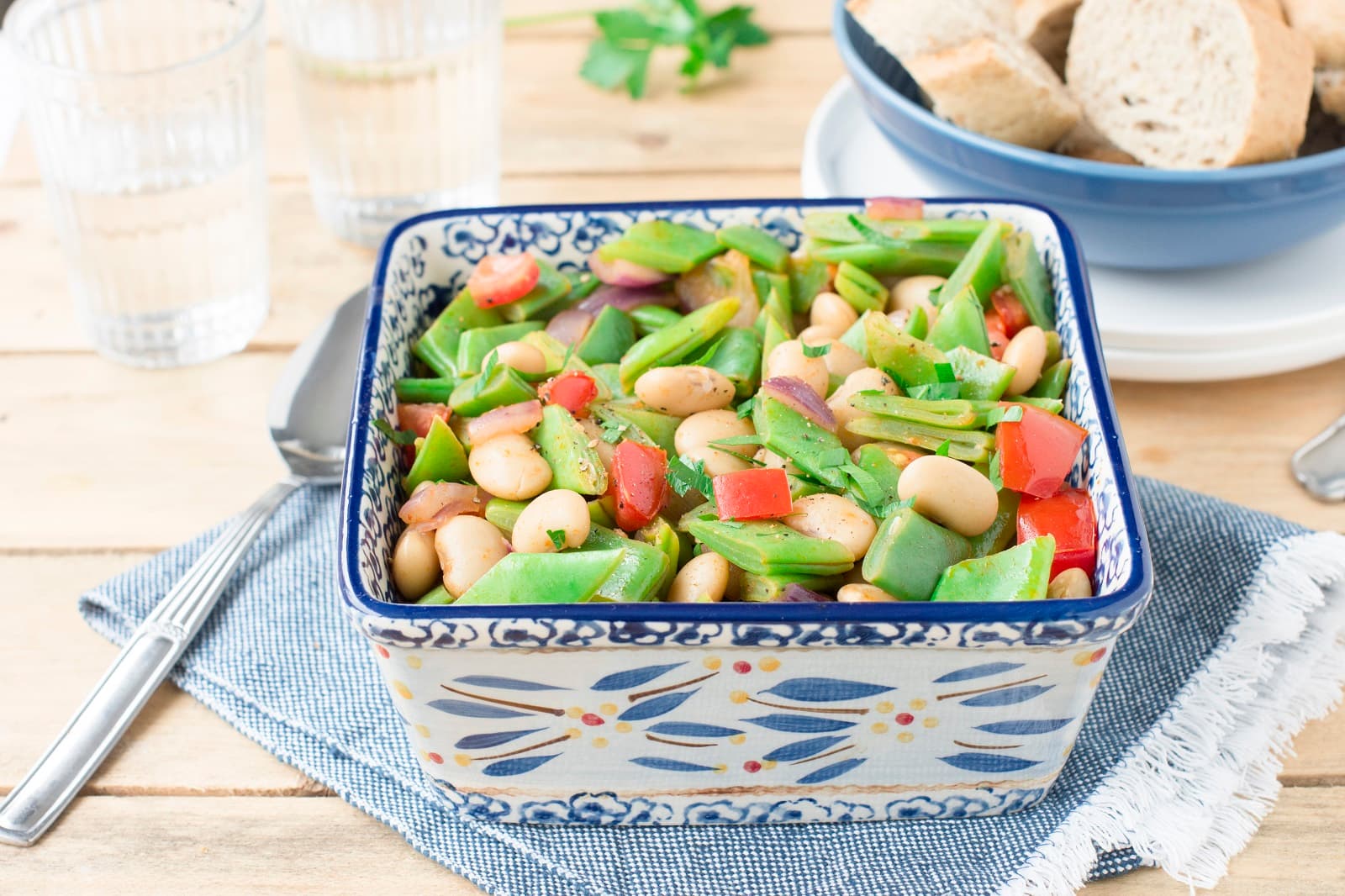
Fancy trying string beans in a different way? Why not give the recipe for Greek string beans with lima beans a go? It combines string beans with ingredients such as tomato, red onion, lima beans and parsley.
Sugar snap peas: flat, small and deliciously crunchy
And then there are the snow peas. These are also green and flat, but they’re a lot smaller and more delicate than string beans. Snow peas are the young pods of the pea plant. They’re harvested before the peas inside have fully developed. This means the pod stays flat and you can eat it whole.
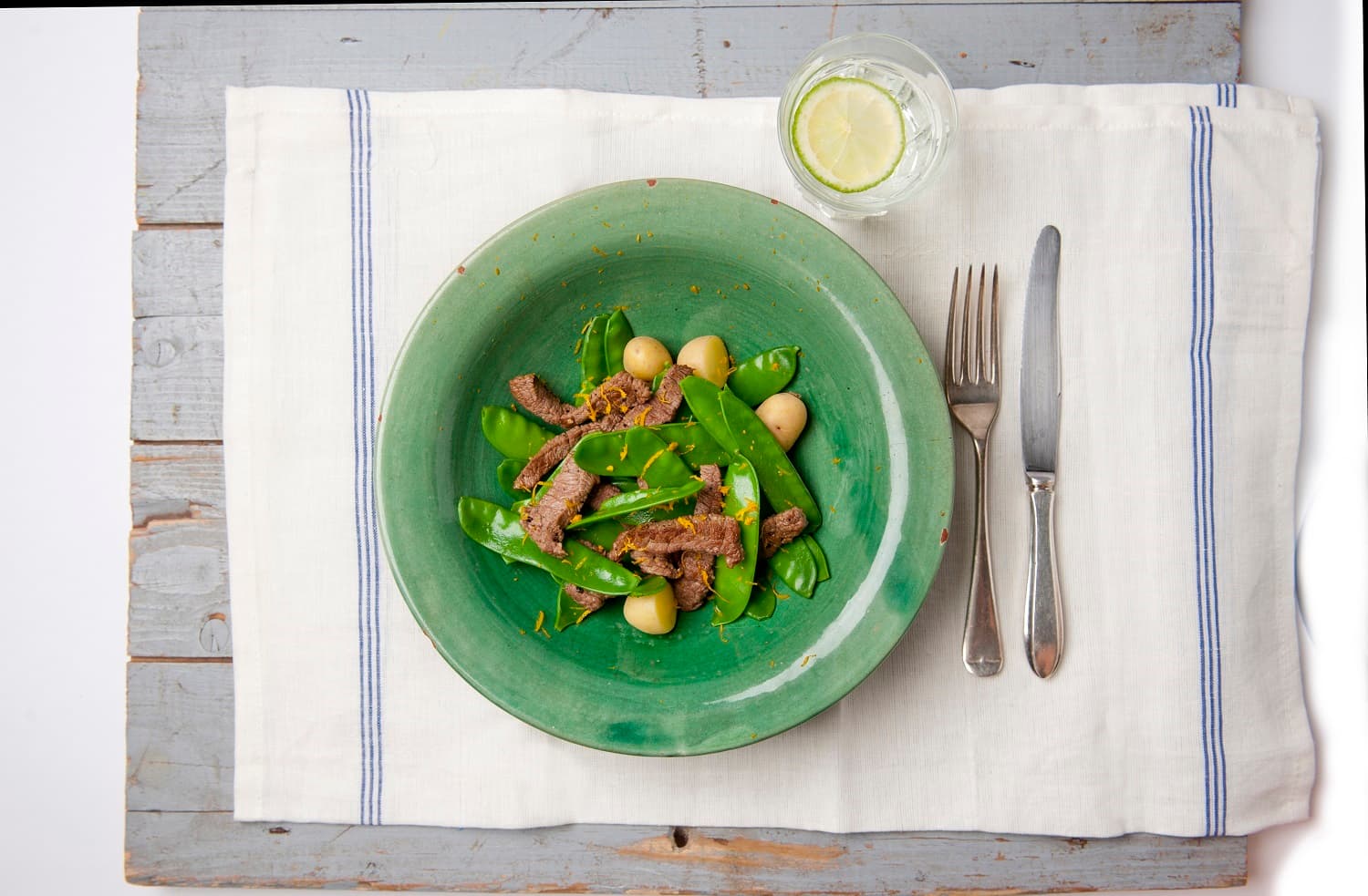
Fancy giving them a go? Try making stir-fried beef slices with snow peas. In this quick stir-fry, snow peas are combined with beef slices, orange and ginger. The snow peas are cooked for just 4 to 5 minutes, so you can serve up a delicious meal in no time.